
In an era where artificial intelligence (AI) is rapidly advancing, ethical considerations have become paramount. Microsoft, as a leader in AI technology, is actively promoting responsible AI development. This commitment to ethical AI is not only a moral imperative but also essential for building trust and ensuring sustainable progress in AI technology. This blog post delves into Microsoft’s approach to ethical AI development and its importance for businesses and society.
Understanding Ethical AI
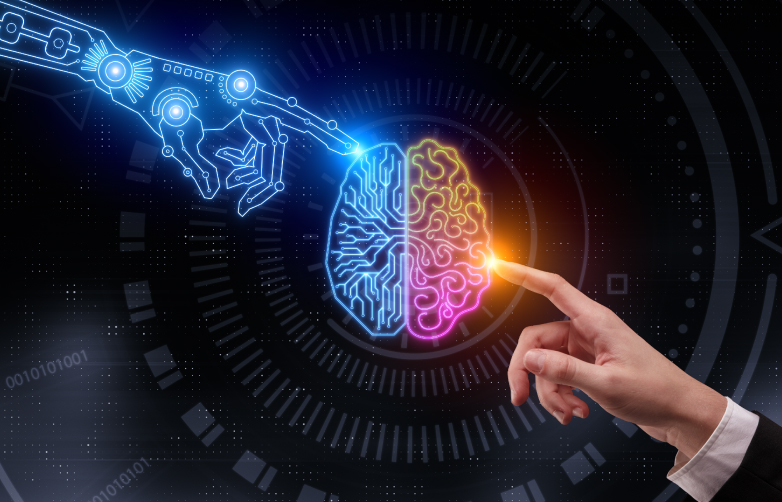
Ethical AI refers to the practice of designing, developing, and deploying AI with good intention to empower humanity and operate under fair, transparent, and accountable frameworks. It encompasses issues like privacy, security, fairness, and inclusivity.
The Importance
As AI becomes more integrated into our daily lives, its decisions and actions can significantly impact individuals and communities. Ethical AI ensures that these impacts are positive, preventing biases, discrimination, and other harmful outcomes.
Microsoft’s Ethical AI Principles
Microsoft has outlined a set of principles that guide its AI development, focusing on fairness, reliability, privacy, inclusivity, transparency, and accountability.

Fairness
Microsoft aims to create AI systems that treat all people fairly and avoid bias, ensuring that AI-driven decisions do not discriminate against any individual or group.
Reliability and Safety
AI systems must be reliable and safe, operating in a predictable manner and preventing harm to users or unintended negative consequences.
Privacy and Security
The protection of personal data and privacy is a priority. Microsoft’s AI technologies are designed to secure data and uphold the highest standards of privacy.
Inclusivity
AI should empower everyone and be accessible to all individuals, including those with disabilities. Microsoft focuses on creating inclusive AI that reflects diverse perspectives and needs.
Transparency
Transparency in AI involves making AI systems understandable to users and explaining how AI-driven decisions are made. Microsoft is committed to building transparent AI that users can trust.
Accountability
Microsoft holds itself accountable for the ethical performance of its AI systems, ensuring that they operate in alignment with societal values and ethical norms.
Responsible AI in Practice
Microsoft’s approach to ethical AI is not just theoretical. The company actively implements these principles in its products and services.
AI for Accessibility
Microsoft’s AI for Accessibility program is an example of this in action. The program aims to harness AI to empower people with disabilities, improving accessibility and usability in technology.
Addressing Bias in AI
Microsoft actively works to address and reduce bias in AI algorithms. This includes diverse data sets in training, rigorous testing for biases, and developing tools to detect and mitigate bias in AI models.
AI Ethics in Cloud Computing
Microsoft Azure, the company’s cloud computing service, incorporates ethical AI practices, providing secure and private solutions to its users.
The Role of Businesses and Developers
While Microsoft is leading the way in ethical AI, the responsibility also lies with businesses and developers who use thesetechnologies.
Integrating Ethical AI in Business Practices
Businesses that use AI must integrate ethical considerations into their AI strategies, ensuring that AI applications in their operations adhere to ethical principles.
Education and Awareness
Educating and raising awareness among developers, data scientists, and AI practitioners about ethical AI is crucial. Understanding the impact of AI and the importance of ethical considerations is the first step towards responsible AI development.
Developing Ethical AI Policies
Organizations should develop clear ethical AI policies and guidelines, aligned with Microsoft’s principles or other ethical frameworks, to guide their AI initiatives.
The Future of Ethical AI
As AI technology continues to evolve, the focus on ethical AI will become increasingly important. The future of AI is not just about technological advancements but also about how these technologies are used responsibly and ethically.

The Importance of Global Collaboration
Ethical AI requires global collaboration among tech companies, governments, and international organizations. Sharing knowledge, best practices, and challenges can help develop global standards for ethical AI.
Continuous Learning and Adaptation
The field of AI is dynamic, and ethical considerations will continue to evolve. Continuous learning, research, and adaptation are essential for staying ahead of ethical challenges in AI.
Conclusion
Microsoft’s commitment to ethical AI sets a benchmark for responsible AI development. By prioritizing fairness, reliability, privacy, inclusivity, transparency, and accountability, Microsoft is not only enhancing the technological landscape but also ensuring that AI serves the greater good of humanity.
For businesses, adopting an ethical AI framework is critical. It’s not just about harnessing the power of AI but doing so in a way that is responsible, transparent, and beneficial for all. As we step further into the AI-driven future, let us embrace these principles to ensure that AI technologies are developed and used in a manner that upholds human values and rights.
Learn More
Interested in how you can implement ethical AI in your business? Third Quartile can guide you through Microsoft’s AI technologies and help you integrate ethical AI practices into your operations. Visit Third Quartile to discover more about ethical AI and how it can transform your business while aligning with your values.