
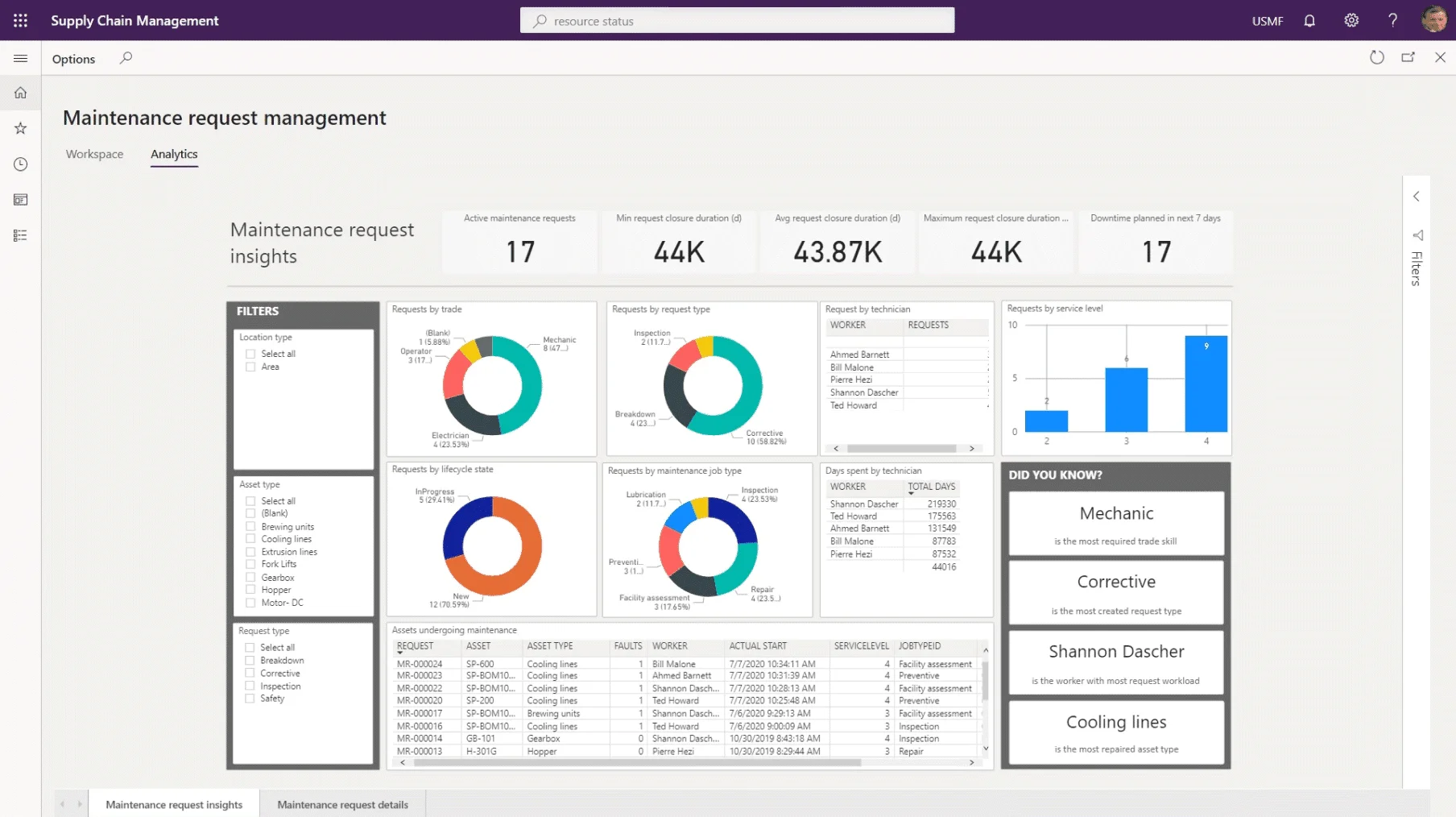
Implementing Microsoft Dynamics 365 ERP is a significant step for any organization looking to streamline its operations and enhance efficiency. However, the journey to a successful implementation is paved with several crucial considerations. This blog post outlines five key areas that businesses should focus on when deploying Dynamics 365 ERP.
-
Comprehensive Business Process Review using D365
The first step in implementing Dynamics 365 is to conduct a thorough review of your current business processes. This involves evaluating current operations to identify inefficiencies, redundancies, or areas ripe for automation. For instance, if your organization manually tracks inventory, leading to frequent stockouts, Dynamics 365 can automate this task, significantly improving efficiency. The goal is to understand how it can be tailored to address these specific operational needs.
-
Effective Data Migration Strategy
Data migration is a pivotal component of the Dynamics 365 implementation process. It involves transferring data from legacy systems to Dynamics 365, which can be complex, especially if critical data is dispersed across various systems. A thorough data audit is necessary to determine what data should be migrated and what should be archived. Using specialized data migration tools is crucial to maintain data integrity throughout this process.
-
User Adoption and Change Management
User adoption is central to the success of the Dynamics 365 implementation. Resistance to the new system often stems from a lack of training or fear of change. To facilitate smooth adoption, establish a change management team that includes key users from various levels of the organization. Early involvement of these users increases the likelihood of support for the new tool. A comprehensive training program is also essential for a successful transition.
-
Customization and Integration
While Dynamics 365 offers customization to fit specific organizational needs, over-customization should be avoided as it can lead to performance issues and complicate future upgrades. It’s important to stick to the tool’s existing features whenever possible and use Microsoft-supported frameworks for necessary custom code development. Integration with existing systems, such as ERP or CRM systems, should be carefully planned using tools like Power Automate or Azure Logic Apps for seamless data and workflow integration.
-
Budget Management and Regulatory Compliance
Budget overruns are common in Dynamics 365 implementations due to unexpected complexities. Adopting an agile approach allows for flexibility and helps avoid scope creep. Additionally, regulatory compliance is a critical aspect often overlooked until the last minute. Ensure your team is aware of and adheres to regulations like GDPR or CCPA from the design phase, utilizing Microsoft’s resources to meet these requirements.
Implementing Microsoft Dynamics 365 ERP is a multifaceted process requiring careful consideration of various elements. From understanding your business processes to ensuring user adoption and regulatory compliance, each step plays a crucial role in a successful implementation. By focusing on these five key areas, your organization can navigate the complexities of the implementation process and maximize the benefits.
Learn Your Options:
If you are considering implementing this procesand need expert guidance, Third Quartile is here to assist. Our team of professionals can help you navigate these key considerations, ensuring a smooth and efficient implementation process. Contact us today to learn more about how we can support your Dynamics 365 ERP journey.