
The advent of artificial intelligence (AI) is reshaping the landscape of work, ushering in a new era of automation and digital transformation. Microsoft’s AI technologies are at the forefront of this revolution, offering powerful tools that promise to redefine the way businesses operate. This blog post explores the implications of AI on the future workforce and how businesses can adapt to leverage the full potential of AI.
Understanding the AI Revolution
The AI revolution refers to the rapid advancements in AI technology that are significantly impacting various industries. AI’s ability to process vast amounts of data, learn from experiences, and make intelligent decisions is transforming traditional business models and workflows. One of the most significant concerns surrounding the AI revolution is its impact on employment. While AI can automate repetitive tasks, it also creates opportunities for new job roles that require more complex and creative problem-solving skills.
Microsoft AI: A Catalyst for Change
Microsoft’s AI technologies are not just tools for efficiency; they are catalysts for change. These technologies are helping businesses innovate and create new value, driving growth and competitiveness in a rapidly evolving digital economy.
AI-Driven Automation and Efficiency
AI-driven automation in tools like Dynamics 365 and Azure AI is streamlining operations, from customer service to supply chain management. This automation allows employees to focus on more strategic, value-added activities.
AI and Data Analytics
Microsoft AI is also revolutionizing data analytics, providing deeper insights and predictive capabilities. This empowers businesses to make more informed decisions and anticipate market trends.
Adapting to the AI-Driven Workplace
As AI reshapes the workplace, businesses must adapt to stay competitive. Here’s how companies can prepare for the AI revolution:

Embracing a Culture of Lifelong Learning
The future workforce needs to be adaptable, with a focus on continuous learning. Encouraging employees to upskill and reskill in areas like data literacy and AI understanding is crucial.
Rethinking Job Roles and Workflows
Businesses should reassess job roles and workflows in the context of AI capabilities. This might involve redefining roles to focus more on strategic planning and creative problem-solving.
Fostering Human-Machine Collaboration
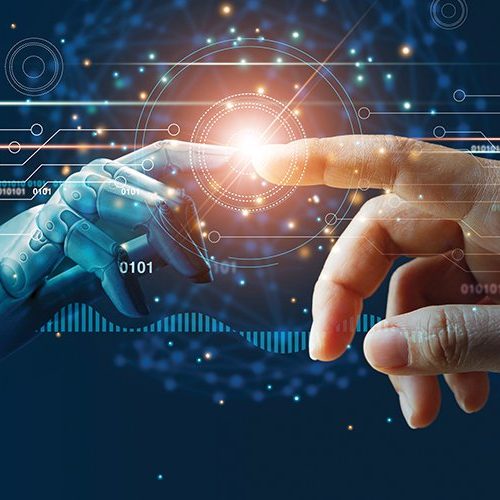
The future of work is not about machines replacing humans but about collaboration between the two. Businesses should explore how AI can augment human capabilities, enhancing productivity and innovation.
Investing in Ethical AI Practices
As AI becomes more integrated into business operations, ethical considerations must be at the forefront. This includes ensuring fairness, transparency, and accountability in AI systems.
Leveraging Microsoft AI for Business Transformation
Microsoft AI offers tools and platforms that can help businesses adapt to the changing workforce landscape. Here are key areas where Microsoft AI can drive transformation:
Enhancing Customer Experiences
AI technologies like chatbots and personalized recommendations can significantly enhance customer experiences, offering more tailored and efficient service.
Streamlining Operations
AI-driven predictive maintenance, inventory management, and process automation can streamline operations, reducing costs and improving efficiency.
Driving Innovation
AI’s predictive analytics and data-driven insights can spur innovation, helping businesses develop new products and services that meet evolving market needs.
Preparing for the Future
Preparing for an AI-driven future requires strategic planning and investment:

Developing an AI Strategy
Businesses should develop a comprehensive AI strategy that aligns with their overall business goals and addresses potential challenges.
Building an AI-Ready Workforce
Investing in training and development programs to build an AI-ready workforce is critical. This includes not only technical skills but also soft skills like adaptability and critical thinking.
Creating Collaborative Work Environments
Encouraging collaboration between different departments and leveraging diverse perspectives can lead to more innovative AI solutions.
Ensuring Responsible Use of AI
Companies must commit to the responsible use of AI, considering ethical implications and ensuring that AI systems are used to enhance, not replace, human work.
The AI revolution is not a distant future; it’s already here. Microsoft AI technologies are playing a pivotal role in shaping the future of work, offering opportunities for businesses to innovate, improve efficiency, and enhance customer experiences. By understanding the implications of AI, embracing continuous learning, and fostering human-machine collaboration, businesses can prepare for the AI-driven future and thrive in this new era.
Embracing AI is a journey, one that involves constant adaptation and learning. For businesses ready to embark on this journey, the potential rewards are immense – from gaining competitive advantage to driving sustainable growth in an increasingly digital world.
Learn More
Interested in harnessing Microsoft AI for your business? Third Quartile offers expert guidance and solutions to help you navigate the AI revolution and prepare your workforce for the future. Visit Third Quartile to explore how we can assist you in leveraging AI to transform your business and workforce.