
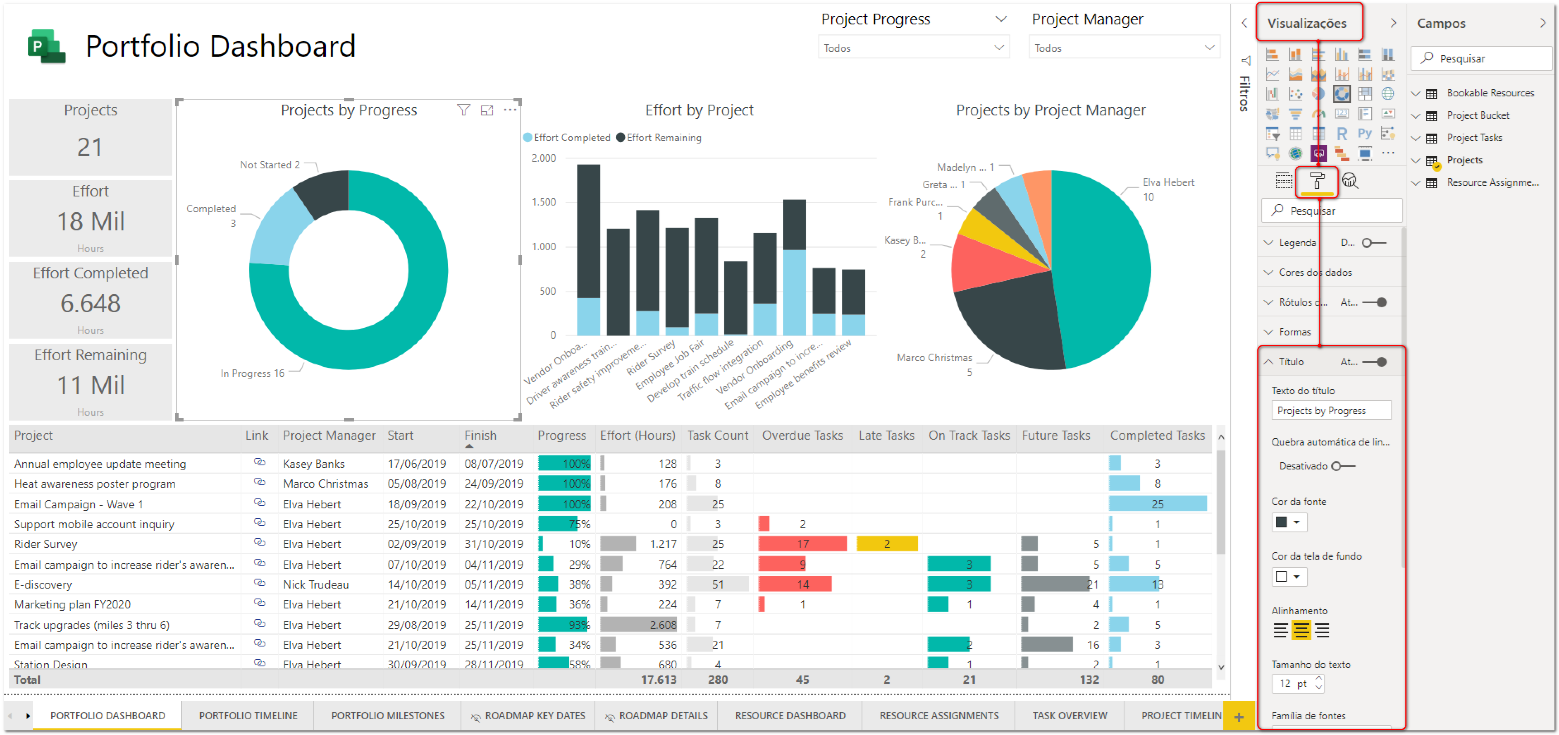
In today’s data-driven business landscape, Microsoft Power BI emerges as a pivotal tool for effective data analytics and business intelligence. Understanding its implementation is crucial for organizations striving to enhance decision-making through robust data analysis.
-
Understand Your Data and Analytics Strategy
Before diving into Power BI, it’s essential to have a clear data analytics strategy that aligns with your organization’s vision. The key is to secure executive buy-in by showcasing Power BI’s role in achieving business goals. This involves defining what type of data and analytics capabilities your organization currently needs and might need in the future. For instance, are you focusing on operational reporting needs or aiming to use data and analytics (D&A) to drive new business objectives? By using real examples of past operational inefficiencies or poorly made decisions, you can clearly illustrate the value Power BI will bring, making it easier to get the support of executives and stakeholders.
-
Define and Flexibly Manage the Project Scope
Defining a clear and well-defined scope is paramount, but maintaining flexibility is just as crucial. The scope should be driven by the business’s needs in collaboration with IT. Remember, a business intelligence project’s scope should be meaningful and manageable. Starting small helps in managing complexities and adapting to changes. It’s common for project objectives and requirements to evolve, so being prepared to adapt the scope and plan as the project progresses is vital. Communicating what is and isn’t in scope sets clear expectations for all stakeholders.
-
Prioritize Data Governance from the Start
Data governance is crucial from the very beginning of your Power BI implementation. A robust data governance strategy ensures data usability, availability, privacy, and security. Don’t delay in defining a data governance policy. Consider having data stewards or a governance board to set and enforce standards. Remember, data is a business asset; therefore, involving business users in defining data standards is essential. Establishing master data management principles will drive data quality, helping your organization achieve data maturity and fostering a strong data-driven culture.
Implementing Microsoft Power BI in your organization requires more than just technical know-how. It demands a strategic approach that includes understanding your data analytics strategy, managing project scope flexibly, and prioritizing data governance from the outset. By focusing on these three key areas, you can ensure a more effective and efficient Power BI implementation, ultimately leading to better business outcomes.
Learn Your Options:
To dive deeper into Power BI and data analytics, visit our resources at Third Quartile. For expert guidance and support in your Power BI implementation journey, feel free to contact us at Third Quartile. We’re here to help you harness the full potential of your data through Power BI.